Buy ausruestung.eu ?
We are moving the project
ausruestung.eu .
Are you interested in purchasing the domain
ausruestung.eu ?
domain@kv-gmbh.de · 0541-91531010
Buy ausruestung.eu ?
What intermolecular forces exist?
Intermolecular forces are the forces of attraction and repulsion between molecules. The main types of intermolecular forces include London dispersion forces, dipole-dipole interactions, and hydrogen bonding. London dispersion forces are the weakest type of intermolecular force and occur between all molecules. Dipole-dipole interactions occur between polar molecules, where the positive end of one molecule is attracted to the negative end of another. Hydrogen bonding is a special type of dipole-dipole interaction that occurs when hydrogen is bonded to highly electronegative atoms like oxygen, nitrogen, or fluorine. **
What are intermolecular interactions?
Intermolecular interactions are the forces of attraction or repulsion between molecules. These interactions play a crucial role in determining the physical and chemical properties of substances. Examples of intermolecular interactions include hydrogen bonding, van der Waals forces, and dipole-dipole interactions. These forces can affect properties such as boiling and melting points, solubility, and viscosity. **

Similar search terms for Intermolecular
Top-Angebote
Products related to Intermolecular:
-
Smart Shopping Spot Non Slip Car Gear Shift Knob Cover, Manual Gear Shift Knob With Gaitor Interior Accessories Non Slip Car Gear Shift Knob Cover, Manual Gear Shift Knob With Gaitor Interior AccessoriesUpgrade Your Car's Interior with Premium Gear Shift Knob Cover Enhance the look and feel of your vehicles interior with this highquality Car Gear Shift Knob Cover. Designed for manual gear shift knobs, this cover provides an upgraded, luxurious feel...49,97 $*Shipping: 0,00 $Secure redirect to the provider
-
All Categories Goods Heavy Duty Metal Rack, 5 Shelf Steel Shelving, Garage Storage Unit For Tools And Equipment Heavy Duty Metal Rack, 5 Shelf Steel Shelving, Garage Storage Unit For Tools And EquipmentLooking for a 5 Shelf Heavy Duty Metal Rack to organize your garage, home, or office This steel shelving unit is the ultimate storage solution, designed to handle heavy loads while keeping your space neat and tidy. Whether you're storing tools,...149,97 $*Shipping: 0,00 $Secure redirect to the provider


-
What are intermolecular forces?
Intermolecular forces are the attractive forces that exist between molecules. These forces are responsible for holding molecules together in a liquid or solid state. There are several types of intermolecular forces, including hydrogen bonding, dipole-dipole interactions, and London dispersion forces. These forces play a crucial role in determining the physical properties of substances, such as their boiling and melting points, as well as their solubility and viscosity. **
-
How are intermolecular forces classified?
Intermolecular forces are classified into three main categories: dispersion forces, dipole-dipole forces, and hydrogen bonding. Dispersion forces are the weakest type of intermolecular force and are caused by temporary fluctuations in electron distribution within molecules. Dipole-dipole forces occur between polar molecules and are stronger than dispersion forces. Hydrogen bonding is the strongest type of intermolecular force and occurs when hydrogen is bonded to highly electronegative atoms like oxygen, nitrogen, or fluorine. **
-
Which intermolecular interactions are possible?
Intermolecular interactions that are possible include hydrogen bonding, dipole-dipole interactions, and London dispersion forces. Hydrogen bonding occurs when a hydrogen atom is bonded to a highly electronegative atom such as oxygen, nitrogen, or fluorine. Dipole-dipole interactions occur between molecules with permanent dipoles, while London dispersion forces are the weakest intermolecular interactions and occur between all molecules due to temporary fluctuations in electron distribution. These interactions play a crucial role in determining the physical properties of substances such as boiling and melting points. **
-
What are strong intermolecular interactions?
Strong intermolecular interactions are attractive forces between molecules that are stronger than typical van der Waals forces. These interactions can include hydrogen bonding, dipole-dipole interactions, and ion-dipole interactions. Strong intermolecular interactions play a crucial role in determining the physical properties of substances such as boiling point, melting point, and solubility. They are important in various biological processes, such as protein folding and DNA replication. **
Which intermolecular forces are the strongest?
The strongest intermolecular forces are hydrogen bonding, which occurs when a hydrogen atom is bonded to a highly electronegative atom such as oxygen, nitrogen, or fluorine. Hydrogen bonding is stronger than dipole-dipole interactions and London dispersion forces. This is because hydrogen bonding involves a particularly strong attraction between the partially positive hydrogen atom and the partially negative atom it is bonded to, leading to a higher energy of interaction compared to other intermolecular forces. **
What are intermolecular interactions in chemistry?
Intermolecular interactions are the forces of attraction or repulsion between molecules. These interactions play a crucial role in determining the physical properties of substances, such as boiling point, melting point, and solubility. The main types of intermolecular interactions include hydrogen bonding, dipole-dipole interactions, and van der Waals forces. These interactions are weaker than chemical bonds within a molecule, but they still significantly impact the behavior and properties of substances. **
Top-Angebote
Products related to Intermolecular:
-
Uplifted Finds 1 Set Teaching Tools Math Supplies Geometric Angle Display Tools 5pcsBring geometry concepts to life in the classroom or home study space with our 1 Set Teaching Tools Math Supplies Geometric Angle Display Tools. Engineered as an effective visual demonstration aid, this math teaching tool helps students easily grasp...39,97 $*Shipping: 0,00 $Secure redirect to the provider
-
What intermolecular forces exist?
Intermolecular forces are the forces of attraction and repulsion between molecules. The main types of intermolecular forces include London dispersion forces, dipole-dipole interactions, and hydrogen bonding. London dispersion forces are the weakest type of intermolecular force and occur between all molecules. Dipole-dipole interactions occur between polar molecules, where the positive end of one molecule is attracted to the negative end of another. Hydrogen bonding is a special type of dipole-dipole interaction that occurs when hydrogen is bonded to highly electronegative atoms like oxygen, nitrogen, or fluorine. **
-
What are intermolecular interactions?
Intermolecular interactions are the forces of attraction or repulsion between molecules. These interactions play a crucial role in determining the physical and chemical properties of substances. Examples of intermolecular interactions include hydrogen bonding, van der Waals forces, and dipole-dipole interactions. These forces can affect properties such as boiling and melting points, solubility, and viscosity. **
-
What are intermolecular forces?
Intermolecular forces are the attractive forces that exist between molecules. These forces are responsible for holding molecules together in a liquid or solid state. There are several types of intermolecular forces, including hydrogen bonding, dipole-dipole interactions, and London dispersion forces. These forces play a crucial role in determining the physical properties of substances, such as their boiling and melting points, as well as their solubility and viscosity. **
-
How are intermolecular forces classified?
Intermolecular forces are classified into three main categories: dispersion forces, dipole-dipole forces, and hydrogen bonding. Dispersion forces are the weakest type of intermolecular force and are caused by temporary fluctuations in electron distribution within molecules. Dipole-dipole forces occur between polar molecules and are stronger than dispersion forces. Hydrogen bonding is the strongest type of intermolecular force and occurs when hydrogen is bonded to highly electronegative atoms like oxygen, nitrogen, or fluorine. **
Similar search terms for Intermolecular
-
Smart Shopping Spot Non Slip Car Gear Shift Knob Cover, Manual Gear Shift Knob With Gaitor Interior Accessories Non Slip Car Gear Shift Knob Cover, Manual Gear Shift Knob With Gaitor Interior AccessoriesUpgrade Your Car's Interior with Premium Gear Shift Knob Cover Enhance the look and feel of your vehicles interior with this highquality Car Gear Shift Knob Cover. Designed for manual gear shift knobs, this cover provides an upgraded, luxurious feel...49,97 $*Shipping: 0,00 $Secure redirect to the provider
-
All Categories Goods Heavy Duty Metal Rack, 5 Shelf Steel Shelving, Garage Storage Unit For Tools And Equipment Heavy Duty Metal Rack, 5 Shelf Steel Shelving, Garage Storage Unit For Tools And EquipmentLooking for a 5 Shelf Heavy Duty Metal Rack to organize your garage, home, or office This steel shelving unit is the ultimate storage solution, designed to handle heavy loads while keeping your space neat and tidy. Whether you're storing tools,...149,97 $*Shipping: 0,00 $Secure redirect to the provider
-
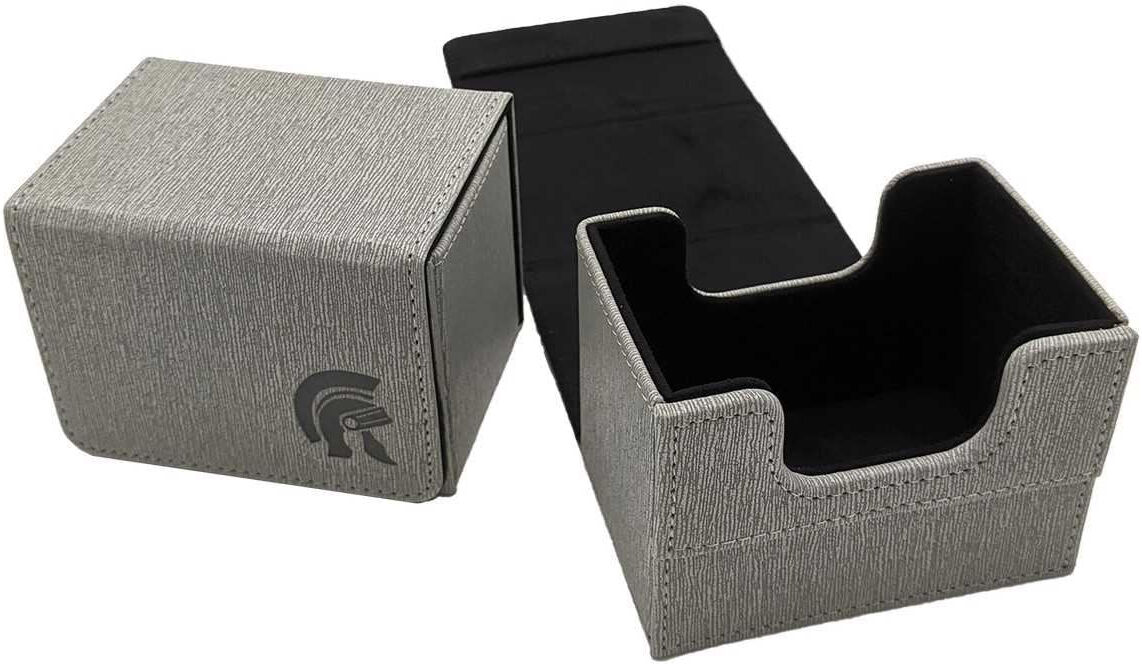
Legion Supplies Legion Sentinel Deck Box 80 - Grey - Card Game AccessoriesProtect your trading card deck with the Legion Sentinel Deck Box 80. This grey deck box is designed to hold up to 80 double-sleeved cards, making it perfect for storing a complete deck and keeping cards together between games or during transport. The durable textured vinyl outer cover provides a sturdy layer of protection, while the soft, smooth interior helps prevent cards and sleeves from catching as they are placed inside or removed. A strong magnetic lid with a stepped closure helps keep the box securely shut and reduces the chance of the lid sliding open. The compact design features easy-grip cut-outs, making it simpler to lift cards from the box when you're ready to play. The Legion Sentinel Deck Box 80 is suitable for tabletop gaming collections, whether used at home, at events, or alongside other deck boxes.15,99 £*Shipping: 3,95 £Secure redirect to the provider
-
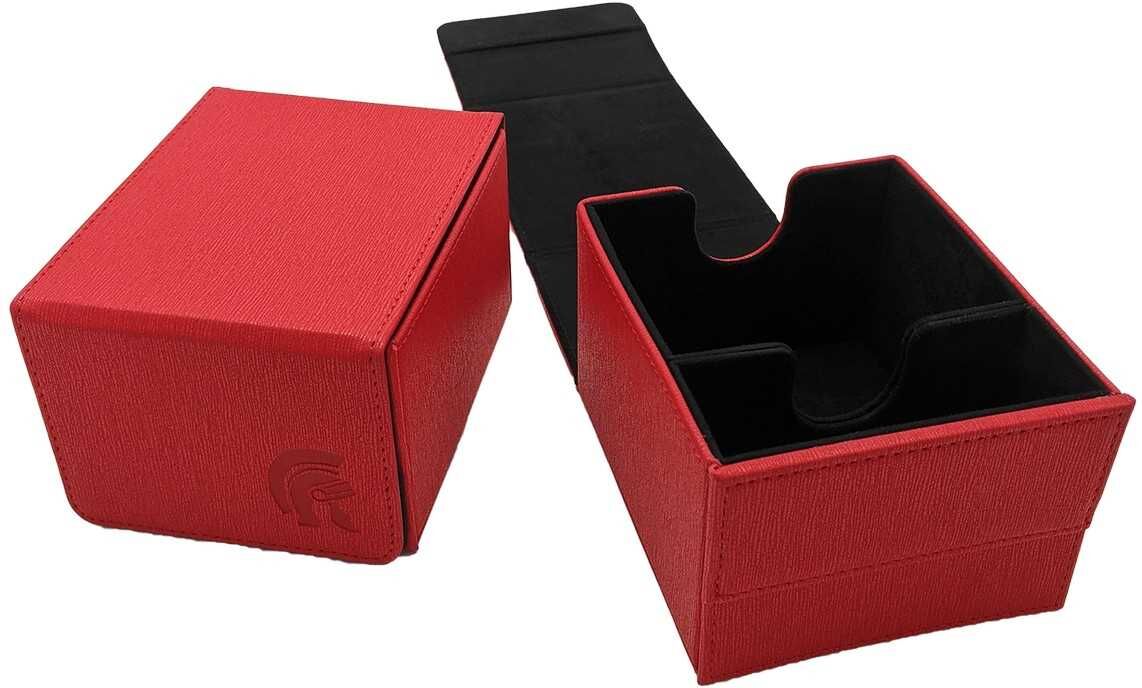
Legion Supplies Legion Sentinel Deck Box 80 - Red - Card Game AccessoriesProtect your card collection with the Legion Sentinel Deck Box 80 in red. This compact deck box is designed for trading card games and other standard-sized card collections, keeping your cards together and protected between games. It holds up to 80 double-sleeved cards, making it suitable for organized play and everyday deck storage. The durable textured vinyl exterior is designed for regular handling, while the soft, smooth interior helps prevent snagging on card sleeves. A strong magnetic lid with a stepped closure ensures the box stays shut, and easy-grip cut-outs provide convenient card access. The compact format makes it easy to store and transport your deck, and the red finish makes it easy to identify in a collection.15,99 £*Shipping: 3,95 £Secure redirect to the provider
-
Which intermolecular interactions are possible?
Intermolecular interactions that are possible include hydrogen bonding, dipole-dipole interactions, and London dispersion forces. Hydrogen bonding occurs when a hydrogen atom is bonded to a highly electronegative atom such as oxygen, nitrogen, or fluorine. Dipole-dipole interactions occur between molecules with permanent dipoles, while London dispersion forces are the weakest intermolecular interactions and occur between all molecules due to temporary fluctuations in electron distribution. These interactions play a crucial role in determining the physical properties of substances such as boiling and melting points. **
-
What are strong intermolecular interactions?
Strong intermolecular interactions are attractive forces between molecules that are stronger than typical van der Waals forces. These interactions can include hydrogen bonding, dipole-dipole interactions, and ion-dipole interactions. Strong intermolecular interactions play a crucial role in determining the physical properties of substances such as boiling point, melting point, and solubility. They are important in various biological processes, such as protein folding and DNA replication. **
-
Which intermolecular forces are the strongest?
The strongest intermolecular forces are hydrogen bonding, which occurs when a hydrogen atom is bonded to a highly electronegative atom such as oxygen, nitrogen, or fluorine. Hydrogen bonding is stronger than dipole-dipole interactions and London dispersion forces. This is because hydrogen bonding involves a particularly strong attraction between the partially positive hydrogen atom and the partially negative atom it is bonded to, leading to a higher energy of interaction compared to other intermolecular forces. **
-
What are intermolecular interactions in chemistry?
Intermolecular interactions are the forces of attraction or repulsion between molecules. These interactions play a crucial role in determining the physical properties of substances, such as boiling point, melting point, and solubility. The main types of intermolecular interactions include hydrogen bonding, dipole-dipole interactions, and van der Waals forces. These interactions are weaker than chemical bonds within a molecule, but they still significantly impact the behavior and properties of substances. **
* All prices are inclusive of VAT and, if applicable, plus shipping costs. The offer information is based on the details provided by the respective shop and is updated through automated processes. Real-time updates do not occur, so deviations can occur in individual cases. ** Note: Parts of this content were created by AI.