Buy ausruestung.eu ?
We are moving the project
ausruestung.eu .
Are you interested in purchasing the domain
ausruestung.eu ?
domain@kv-gmbh.de · 0541-91531010
Buy ausruestung.eu ?
What is reactivity?
Reactivity refers to how likely a substance is to undergo a chemical reaction. Highly reactive substances are more likely to react with other substances, while less reactive substances are more stable and less likely to undergo reactions. Reactivity is influenced by factors such as the arrangement of electrons in an atom or molecule, the presence of functional groups, and the chemical environment in which the substance is placed. Understanding the reactivity of a substance is important in predicting its behavior in various chemical reactions. **
What is reactivity in elimination?
Reactivity in elimination refers to the relative ease with which a particular substrate undergoes elimination reaction. Substrates with more reactive leaving groups or more substituted carbons are generally more reactive in elimination reactions. Reactivity can also be influenced by the nature of the base or catalyst used in the elimination reaction. Understanding the reactivity of a substrate is important for predicting and controlling the outcome of elimination reactions. **

Similar search terms for Reactivity
Top-Angebote
Products related to Reactivity:
-
All Categories Goods Heavy Duty Metal Rack, 5 Shelf Steel Shelving, Garage Storage Unit For Tools And Equipment Heavy Duty Metal Rack, 5 Shelf Steel Shelving, Garage Storage Unit For Tools And EquipmentLooking for a 5 Shelf Heavy Duty Metal Rack to organize your garage, home, or office This steel shelving unit is the ultimate storage solution, designed to handle heavy loads while keeping your space neat and tidy. Whether you're storing tools,...149,97 $*Shipping: 0,00 $Secure redirect to the provider
-
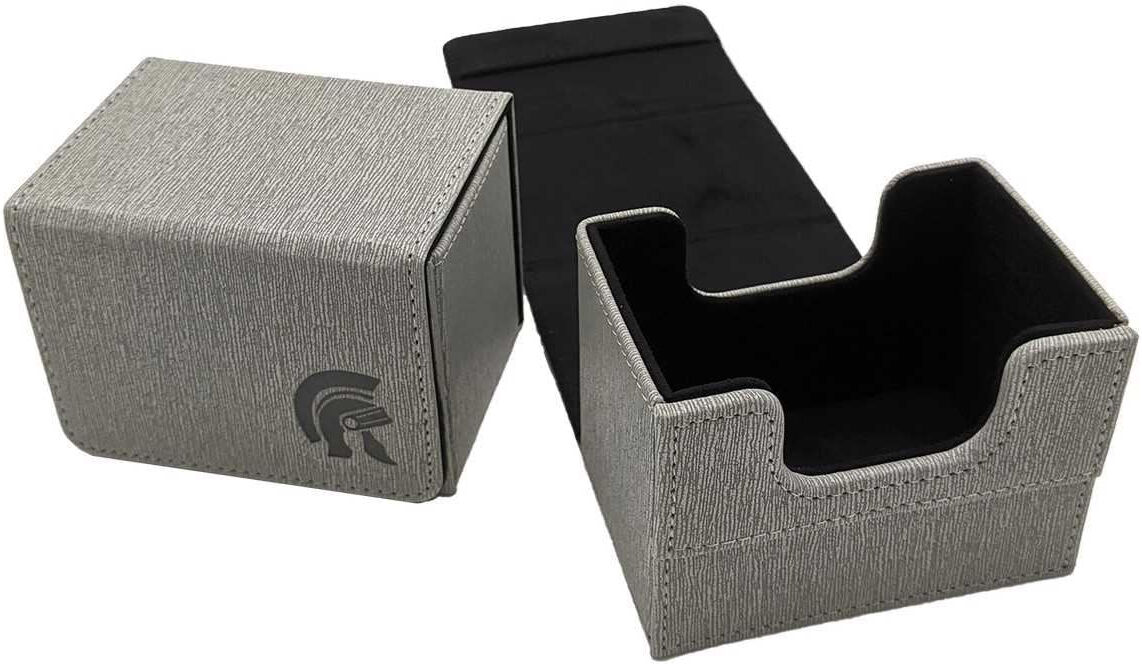
Legion Supplies Legion Sentinel Deck Box 80 - Grey - Card Game AccessoriesProtect your trading card deck with the Legion Sentinel Deck Box 80. This grey deck box is designed to hold up to 80 double-sleeved cards, making it perfect for storing a complete deck and keeping cards together between games or during transport. The durable textured vinyl outer cover provides a sturdy layer of protection, while the soft, smooth interior helps prevent cards and sleeves from catching as they are placed inside or removed. A strong magnetic lid with a stepped closure helps keep the box securely shut and reduces the chance of the lid sliding open. The compact design features easy-grip cut-outs, making it simpler to lift cards from the box when you're ready to play. The Legion Sentinel Deck Box 80 is suitable for tabletop gaming collections, whether used at home, at events, or alongside other deck boxes.15,99 £*Shipping: 3,95 £Secure redirect to the provider
-
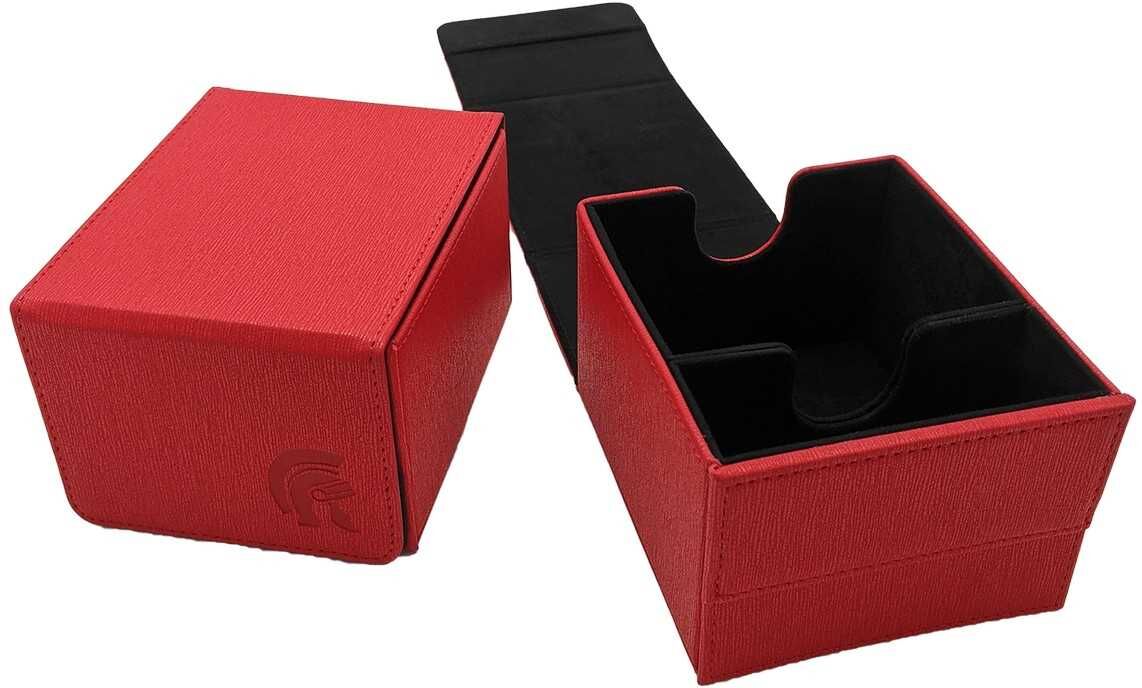
Legion Supplies Legion Sentinel Deck Box 80 - Red - Card Game AccessoriesProtect your card collection with the Legion Sentinel Deck Box 80 in red. This compact deck box is designed for trading card games and other standard-sized card collections, keeping your cards together and protected between games. It holds up to 80 double-sleeved cards, making it suitable for organized play and everyday deck storage. The durable textured vinyl exterior is designed for regular handling, while the soft, smooth interior helps prevent snagging on card sleeves. A strong magnetic lid with a stepped closure ensures the box stays shut, and easy-grip cut-outs provide convenient card access. The compact format makes it easy to store and transport your deck, and the red finish makes it easy to identify in a collection.15,99 £*Shipping: 3,95 £Secure redirect to the provider


-
What is reactivity in chemistry?
Reactivity in chemistry refers to the tendency of a substance to undergo chemical reactions with other substances. This can be influenced by factors such as the arrangement of electrons in the atoms, the presence of functional groups, and the stability of the resulting products. Highly reactive substances are more likely to participate in chemical reactions, while less reactive substances are more stable and less likely to undergo reactions. Understanding reactivity is important in predicting how substances will behave in various chemical processes and reactions. **
-
Why do alkenes and alkynes have a high reactivity? Why is the reactivity of alkenes greater than that of alkanes and the reactivity of alkynes the greatest?
Alkenes and alkynes have high reactivity due to the presence of pi bonds, which are more easily broken than the sigma bonds found in alkanes. The pi bonds in alkenes and alkynes are more exposed and less stable, making them more susceptible to reactions. The reactivity of alkenes is greater than that of alkanes because they have one or more pi bonds, which provide more opportunities for chemical reactions. Similarly, alkynes have the greatest reactivity because they have two pi bonds, making them even more susceptible to reactions than alkenes. **
-
What is the reactivity of alkenes and alkynes?
Alkenes and alkynes are more reactive than alkanes due to the presence of pi bonds in their structures. The pi bonds allow for the addition of atoms or groups to the carbon-carbon double or triple bond, making them susceptible to various types of reactions such as addition reactions. Alkynes are generally more reactive than alkenes due to the presence of a triple bond, which provides more opportunities for reactions to occur. Overall, the reactivity of alkenes and alkynes makes them important building blocks in organic chemistry for synthesizing a wide range of compounds. **
-
What is the reactivity of alkanes and alkenes?
Alkanes are relatively unreactive due to the presence of only single bonds between carbon atoms, which makes them stable and inert under most conditions. On the other hand, alkenes are more reactive than alkanes due to the presence of a double bond, which can undergo addition reactions with various reagents. This double bond provides alkenes with the ability to participate in a wide range of chemical reactions, making them more versatile in organic synthesis compared to alkanes. **


What is the reactivity of the main groups?
The reactivity of the main groups in the periodic table varies depending on the specific group. Generally, the alkali metals in Group 1 are highly reactive, readily forming ionic compounds with nonmetals. The alkaline earth metals in Group 2 are also reactive, but less so than the alkali metals. The halogens in Group 17 are highly reactive nonmetals, readily forming compounds with metals. The noble gases in Group 18 are generally unreactive due to their full outer electron shells. Overall, reactivity tends to increase going down a group and decrease going across a period from left to right. **
What is the reactivity series of metals in chemistry?
The reactivity series of metals is a list of metals arranged in order of their reactivity, from the most reactive to the least reactive. This series helps predict how metals will react with other substances, such as acids or water. Metals higher in the reactivity series will displace metals lower in the series from their compounds in reactions. The reactivity series is a fundamental concept in chemistry that helps understand the behavior of metals in various chemical reactions. **
Top-Angebote
Products related to Reactivity:
-
All Categories Goods Heavy Duty Metal Rack, 5 Shelf Steel Shelving, Garage Storage Unit For Tools And Equipment Heavy Duty Metal Rack, 5 Shelf Steel Shelving, Garage Storage Unit For Tools And EquipmentLooking for a 5 Shelf Heavy Duty Metal Rack to organize your garage, home, or office This steel shelving unit is the ultimate storage solution, designed to handle heavy loads while keeping your space neat and tidy. Whether you're storing tools,...149,97 $*Shipping: 0,00 $Secure redirect to the provider
-
What is reactivity?
Reactivity refers to how likely a substance is to undergo a chemical reaction. Highly reactive substances are more likely to react with other substances, while less reactive substances are more stable and less likely to undergo reactions. Reactivity is influenced by factors such as the arrangement of electrons in an atom or molecule, the presence of functional groups, and the chemical environment in which the substance is placed. Understanding the reactivity of a substance is important in predicting its behavior in various chemical reactions. **
-
What is reactivity in elimination?
Reactivity in elimination refers to the relative ease with which a particular substrate undergoes elimination reaction. Substrates with more reactive leaving groups or more substituted carbons are generally more reactive in elimination reactions. Reactivity can also be influenced by the nature of the base or catalyst used in the elimination reaction. Understanding the reactivity of a substrate is important for predicting and controlling the outcome of elimination reactions. **
-
What is reactivity in chemistry?
Reactivity in chemistry refers to the tendency of a substance to undergo chemical reactions with other substances. This can be influenced by factors such as the arrangement of electrons in the atoms, the presence of functional groups, and the stability of the resulting products. Highly reactive substances are more likely to participate in chemical reactions, while less reactive substances are more stable and less likely to undergo reactions. Understanding reactivity is important in predicting how substances will behave in various chemical processes and reactions. **
-
Why do alkenes and alkynes have a high reactivity? Why is the reactivity of alkenes greater than that of alkanes and the reactivity of alkynes the greatest?
Alkenes and alkynes have high reactivity due to the presence of pi bonds, which are more easily broken than the sigma bonds found in alkanes. The pi bonds in alkenes and alkynes are more exposed and less stable, making them more susceptible to reactions. The reactivity of alkenes is greater than that of alkanes because they have one or more pi bonds, which provide more opportunities for chemical reactions. Similarly, alkynes have the greatest reactivity because they have two pi bonds, making them even more susceptible to reactions than alkenes. **
Similar search terms for Reactivity
-
Legion Supplies Legion Sentinel Deck Box 80 - Grey - Card Game AccessoriesProtect your trading card deck with the Legion Sentinel Deck Box 80. This grey deck box is designed to hold up to 80 double-sleeved cards, making it perfect for storing a complete deck and keeping cards together between games or during transport. The durable textured vinyl outer cover provides a sturdy layer of protection, while the soft, smooth interior helps prevent cards and sleeves from catching as they are placed inside or removed. A strong magnetic lid with a stepped closure helps keep the box securely shut and reduces the chance of the lid sliding open. The compact design features easy-grip cut-outs, making it simpler to lift cards from the box when you're ready to play. The Legion Sentinel Deck Box 80 is suitable for tabletop gaming collections, whether used at home, at events, or alongside other deck boxes.15,99 £*Shipping: 3,95 £Secure redirect to the provider
-
Legion Supplies Legion Sentinel Deck Box 80 - Red - Card Game AccessoriesProtect your card collection with the Legion Sentinel Deck Box 80 in red. This compact deck box is designed for trading card games and other standard-sized card collections, keeping your cards together and protected between games. It holds up to 80 double-sleeved cards, making it suitable for organized play and everyday deck storage. The durable textured vinyl exterior is designed for regular handling, while the soft, smooth interior helps prevent snagging on card sleeves. A strong magnetic lid with a stepped closure ensures the box stays shut, and easy-grip cut-outs provide convenient card access. The compact format makes it easy to store and transport your deck, and the red finish makes it easy to identify in a collection.15,99 £*Shipping: 3,95 £Secure redirect to the provider
-
Legion Supplies Legion Sentinel Deck Box 80 - Green - Card Game AccessoriesProtect your trading-card deck with the Legion Sentinel Deck Box 80 in green. Its durable textured vinyl exterior helps shield cards from everyday knocks while the soft interior is gentle on cards and sleeves. Holds up to 80 double-sleeved cards for organized play. Magnetic lid with stepped closure keeps the box securely shut. Wraparound design provides protection around the deck. Easy-grip cut-outs at the front for quick card access.15,99 £*Shipping: 3,95 £Secure redirect to the provider
-
Legion Supplies Legion Sentinel Deck Box 100 - Grey - Card Game AccessoriesProtect your trading card deck with the Legion Sentinel Deck Box 100 in grey. This durable deck box combines a textured vinyl exterior with a smooth interior to help protect card sleeves during storage and handling. It can hold up to 100 double-sleeved cards, making it suitable for many standard-sized trading card decks. The magnetic lid features a stepped closure to prevent the cover from sliding open, while the front cut-outs provide a firm grip when removing your deck. The compact format allows for organised deck storage, making it a practical choice for protecting a frequently played deck at home, during events, or while travelling.17,99 £*Shipping: 3,95 £Secure redirect to the provider
-
What is the reactivity of alkenes and alkynes?
Alkenes and alkynes are more reactive than alkanes due to the presence of pi bonds in their structures. The pi bonds allow for the addition of atoms or groups to the carbon-carbon double or triple bond, making them susceptible to various types of reactions such as addition reactions. Alkynes are generally more reactive than alkenes due to the presence of a triple bond, which provides more opportunities for reactions to occur. Overall, the reactivity of alkenes and alkynes makes them important building blocks in organic chemistry for synthesizing a wide range of compounds. **
-
What is the reactivity of alkanes and alkenes?
Alkanes are relatively unreactive due to the presence of only single bonds between carbon atoms, which makes them stable and inert under most conditions. On the other hand, alkenes are more reactive than alkanes due to the presence of a double bond, which can undergo addition reactions with various reagents. This double bond provides alkenes with the ability to participate in a wide range of chemical reactions, making them more versatile in organic synthesis compared to alkanes. **
-
What is the reactivity of the main groups?
The reactivity of the main groups in the periodic table varies depending on the specific group. Generally, the alkali metals in Group 1 are highly reactive, readily forming ionic compounds with nonmetals. The alkaline earth metals in Group 2 are also reactive, but less so than the alkali metals. The halogens in Group 17 are highly reactive nonmetals, readily forming compounds with metals. The noble gases in Group 18 are generally unreactive due to their full outer electron shells. Overall, reactivity tends to increase going down a group and decrease going across a period from left to right. **
-
What is the reactivity series of metals in chemistry?
The reactivity series of metals is a list of metals arranged in order of their reactivity, from the most reactive to the least reactive. This series helps predict how metals will react with other substances, such as acids or water. Metals higher in the reactivity series will displace metals lower in the series from their compounds in reactions. The reactivity series is a fundamental concept in chemistry that helps understand the behavior of metals in various chemical reactions. **
* All prices are inclusive of VAT and, if applicable, plus shipping costs. The offer information is based on the details provided by the respective shop and is updated through automated processes. Real-time updates do not occur, so deviations can occur in individual cases. ** Note: Parts of this content were created by AI.